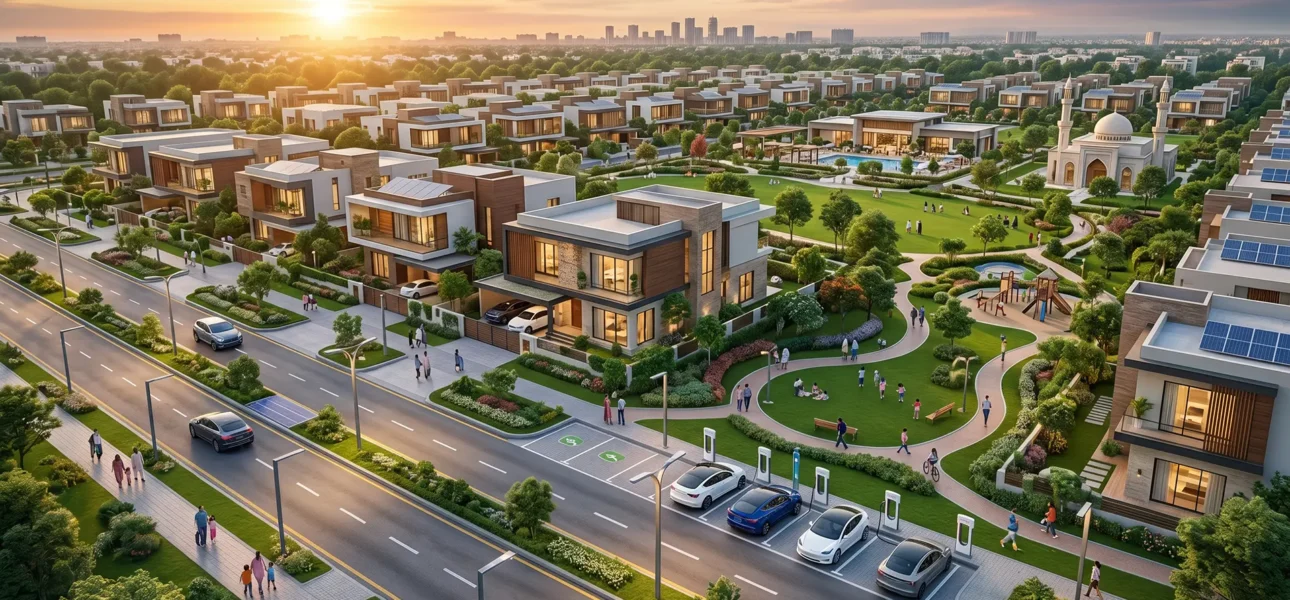
Urban living in Pakistan is evolving rapidly. Modern residents now expect more from residential developments than simple housing. This shift has led to the rise of smart communities that focus on technology integration, infrastructure efficiency, sustainability, and improved quality of life.
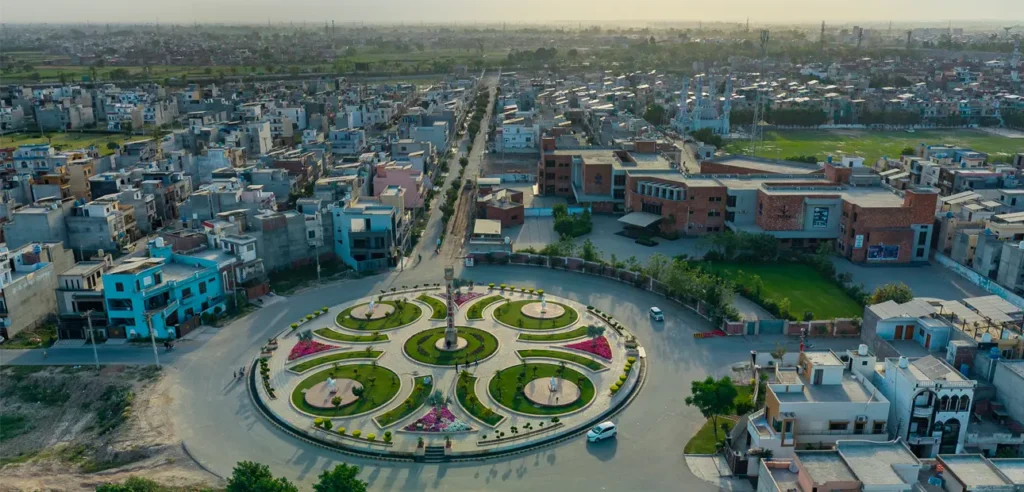
Smart communities are designed to create organized, connected, and future-ready living environments. These developments combine residential, commercial, recreational, and public facilities within one integrated ecosystem.
The concept goes beyond architecture alone. Smart communities focus on how people live, interact, commute, and experience daily life.
In Pakistan, growing urbanization has increased demand for modern planning solutions. Rapid population growth in major cities has created pressure on infrastructure, transportation, and public services.
As a result, developers are increasingly focusing on planned communities that improve efficiency and long-term livability.
Technology integration is one of the defining features of smart communities. Digital security systems, smart traffic management, energy-efficient infrastructure, and advanced utility management are becoming more common in modern developments.
These systems help improve convenience, safety, and operational efficiency for residents.
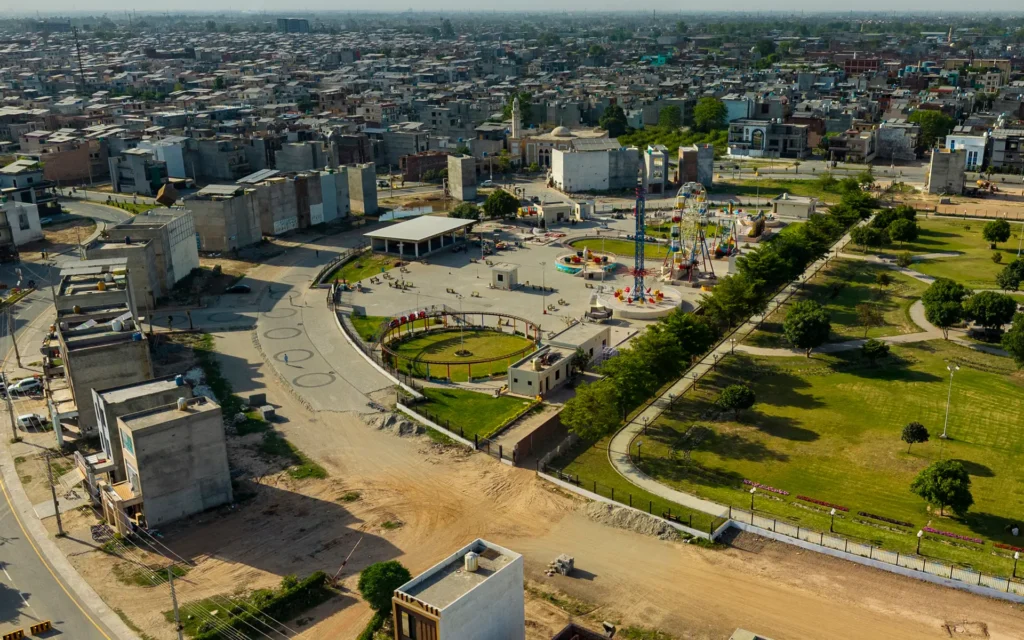
Smart communities also place strong emphasis on sustainability. Green spaces, environmentally conscious planning, walkability, and efficient resource management contribute to healthier urban environments.
Education is more than just acquiring facts; it’s about empowerment. When we invest in education, we equip individuals with the tools they need to think critically, solve problems, and make informed decisions. Education empowers children to dream beyond their circumstances and envision a world of possibilities. It’s a catalyst for personal growth, self-confidence, and social mobility. Education doesn’t just benefit individuals; it transforms entire communities. Educated individuals become agents of change, driving progress and innovation in their societies.
“Parks, pedestrian zones, cycling tracks, and recreational facilities are increasingly viewed as essential components of modern living.“
Another important aspect is connectivity. Modern residents prioritize accessibility to schools, healthcare, commercial areas, and workplaces. Smart communities aim to reduce travel burdens by integrating multiple lifestyle elements within close proximity.
Mixed-use planning is therefore becoming a major trend in Pakistan’s real estate sector.
Security is also a key factor driving demand for smart communities. Gated environments, surveillance systems, controlled access points, and organized management structures provide residents with greater peace of mind.
Families increasingly prefer communities that offer structured environments for long-term living.
Commercial integration further strengthens the value of smart developments. Retail outlets, restaurants, offices, healthcare centers, and educational facilities help create self-sustaining urban ecosystems.
This reduces dependence on distant city centers and improves overall convenience.
The rise of smart communities also reflects changing buyer expectations. Modern investors and residents now evaluate projects based on infrastructure quality, lifestyle amenities, sustainability, and future growth potential.
Developments that successfully combine these elements often maintain stronger market demand and long-term appreciation.
As Pakistan’s urban population continues to expand, smart communities are expected to play a major role in shaping the future of housing and urban development.
At Al Rehman Developers, the vision remains focused on building communities that combine modern infrastructure, thoughtful planning, and future-oriented living standards.